

Where the Noosa Market Stands Post Budget 2026
Looking beyond tax policy to the fundamentals that continue to underpin Noosa property
The 2026 Federal Budget introduced the most significant changes to the taxation of investment property in nearly 30 years. Understandably, the changes to negative gearing and capital gains tax have generated months of headlines, forecasts and debate about what they may mean for property values.
I don’t pretend to know exactly what happens next—and, as experience regularly reminds us, even those paid to make predictions often get them wrong!
What I can offer, after more than 20 years selling and managing property in Noosa, is some insight into what we are seeing on the ground and the underlying factors likely to influence our market over the coming months and years.
Let’s begin with the rental market. It may not have the glamour of median house prices, but stick with me—it tells us something important!
Over the past decade, Noosa’s residential market has undergone a significant shift towards owner-occupiers. I recently compared the number of permanent rental properties in the Elysium Noosa Residential Estate today, with the number recorded when AVJennings completed the estate in 2015.
In July 2015, Elysium contained 48 permanent rental properties. Today, that number has fallen to just 25. While this is only one estate, it is a useful case study because it is a relatively contained community that can be tracked over time. It reflects something we see more broadly across Noosa: properties previously held as investments are increasingly being purchased by people who genuinely want to live here.
This matters when considering the potential effect of the Budget changes. From 1 July 2027, negative gearing will generally be limited to newly built residential property, while existing properties held before Budget night will be grandfathered. These changes may alter the calculations of some investors, but investor activity is only one part of the Noosa market.
Owner-occupier demand remains a powerful influence.
During my Masters of Property studies, one of the principles we examined was how commercial developments are assessed. Before offices, shops or industrial buildings are constructed, developers consider vacancy rates within comparable properties. Lower vacancy generally indicates stronger demand for additional space and supports higher values.
Residential property is different, but vacancy rates can still provide useful insight into the relationship between supply and demand.
During and following the pandemic, Noosa’s vacancy rate frequently sat between approximately 0.5% and 1%, while the median house value for a 4 bedroom house in Noosa Heads increased from around $1.2 million to approximately $2.25 million, according to Cotality. In the years prior to Covid, the vacancy rate ranged between 2% and 3%.
More recently, conditions have eased. The REIQ recorded Noosa’s vacancy rate at 2.2% for the June 2026 quarter—its highest level for some time, although still below the REIQ’s healthy range of 2.6% to 3.5%. We are also seeing some properties, particularly in the premium rental market, taking longer to secure tenants.
That change is worth watching. However, it needs to be considered alongside Noosa’s longer-term fundamentals: limited capacity for substantial new housing supply, a shrinking pool of permanent rental properties in some areas and continuing demand from people who want to make Noosa their home.
Those factors provide a strong underlying case for the resilience of Noosa property, even during a period of broader uncertainty. We are beginning to see this reflected in buyer behaviour. Following the Budget, there was a noticeable period of hesitation. Some buyers stepped back to see how the market would respond, while some sellers delayed their plans until conditions became clearer.
More recently, properties that had been available for several months have begun to sell. Buyers appear to be gaining confidence that, here in Noosa at least, the market is adjusting rather than experiencing the dramatic decline some headlines predicted. For buyers who need or want a home in the area, waiting indefinitely also carries a risk.
Then there is the influence of the 2032 Olympic and Paralympic Games.
As Queensland’s infrastructure and construction pipeline grows, competition for skilled trades is expected to intensify. Construction Skills Queensland has forecast a statewide shortfall of up to 35,000 skilled workers in 2027–28. For the Sunshine Coast, this may make trades more difficult to secure and place further upward pressure on building and renovation costs - adding to rising prices for new construction and increased value in existing homes.
Perhaps the broader lesson is that while tax policy can influence investment decisions, property is ultimately more than an investment—it is a place to live. In a market like Noosa, where supply is limited and the desire to live here remains strong, that distinction matters. Lifestyle appeal and enduring owner-occupier demand are qualities that transcend policy cycles and continue to underpin long-term value.
You might also be interested in
Oct 8, 2026
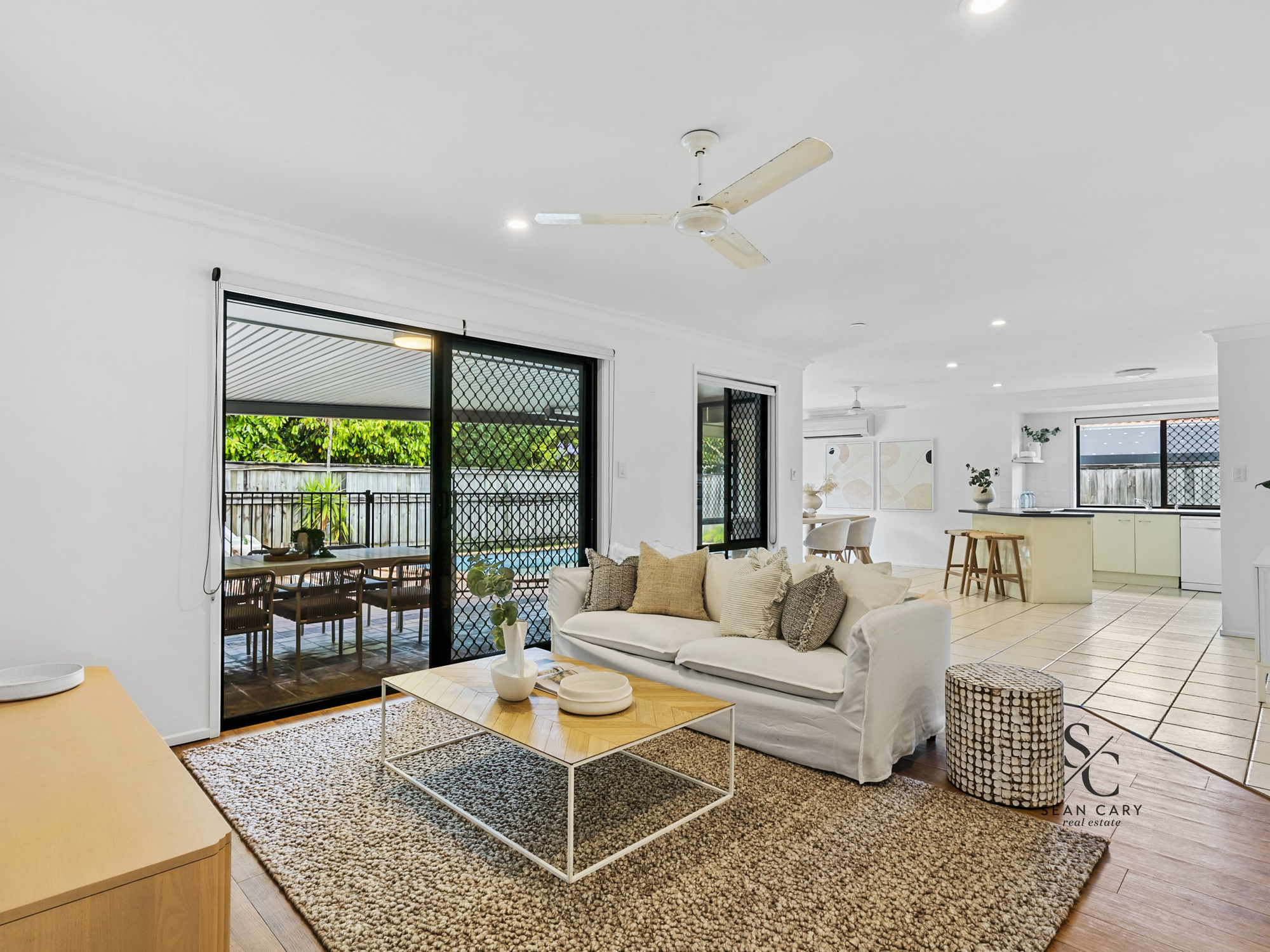
When the owner of 9 Sands Avenue, Noosaville, asked our advice on selling, we first set about identifying the buyers most likely to see the greatest value in the property. We felt selling with vacant
Sep 23, 2026
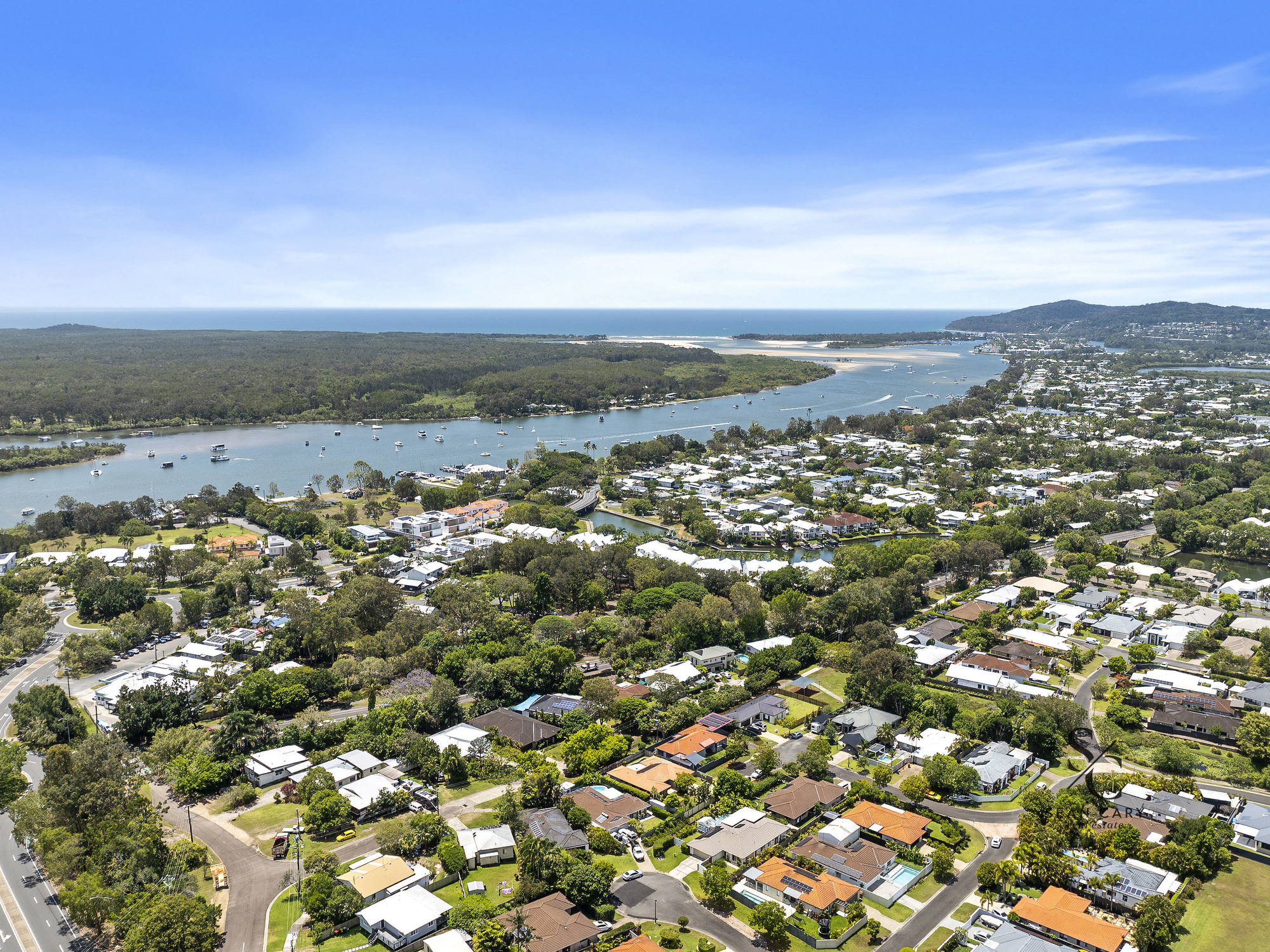
I was listening to a podcast recently, an interview with one of the founders of Hotspotting, the property research firm, and he made a point that stayed with me. Australia isn’t one property market, i